Alan Pham | Vietnam Seafood Sourcing Insights A sourcing consultant's notes on Vietnam's seafood market
Quick Answer: Pangasius fillet exported from Vietnam to Japan averages $2.72/kg based on customs data across 150+ shipments in 2024–2025. Verified commercial transactions from the Japan market show CIF Fukuoka prices of $2.77–$2.90/kg and CIF Hakata at $2.87/kg. Japan requires small, frequent shipments with strict portion spec — 100–200g/pc is the standard.
Vietnam–Japan Pangasius Trade: Overview
Japan is the sixth-largest export destination for Vietnamese pangasius by value, but ranks second by shipment frequency — indicating small, consistent, repeat orders rather than bulk volume trade. Based on verified customs data from 2024–2026, Japanese buyers imported Vietnamese pangasius across 150+ shipments at an average price of $2.72/kg.
This pattern reflects Japan’s foodservice and specialty retail demand: steady weekly or monthly replenishment rather than quarterly container buying.
Pangasius Price to Japan — Verified Data
| Source | Price | Incoterm | Destination |
|---|---|---|---|
| Customs average (150+ shipments, 2024–2025) | $2.72/kg | CIF | Japan (various) |
| Verified commercial transaction (2025) | $2.77/kg | CIF | Hakata / Fukuoka |
| Verified commercial transaction (2026) | $2.87–$2.90/kg | CIF | Hakata / Fukuoka |
The upward trend from $2.72 average (2024–2025) to $2.87–$2.90/kg in 2026 reflects tightening spec requirements and rising input costs — Japan buyers are paying more for higher quality and tighter portion control.
Japan-Specific Product Specifications
Japan’s pangasius requirements differ substantially from Western markets. Key differences:
| Parameter | Japan Standard | EU/USA Standard |
|---|---|---|
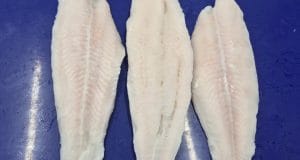
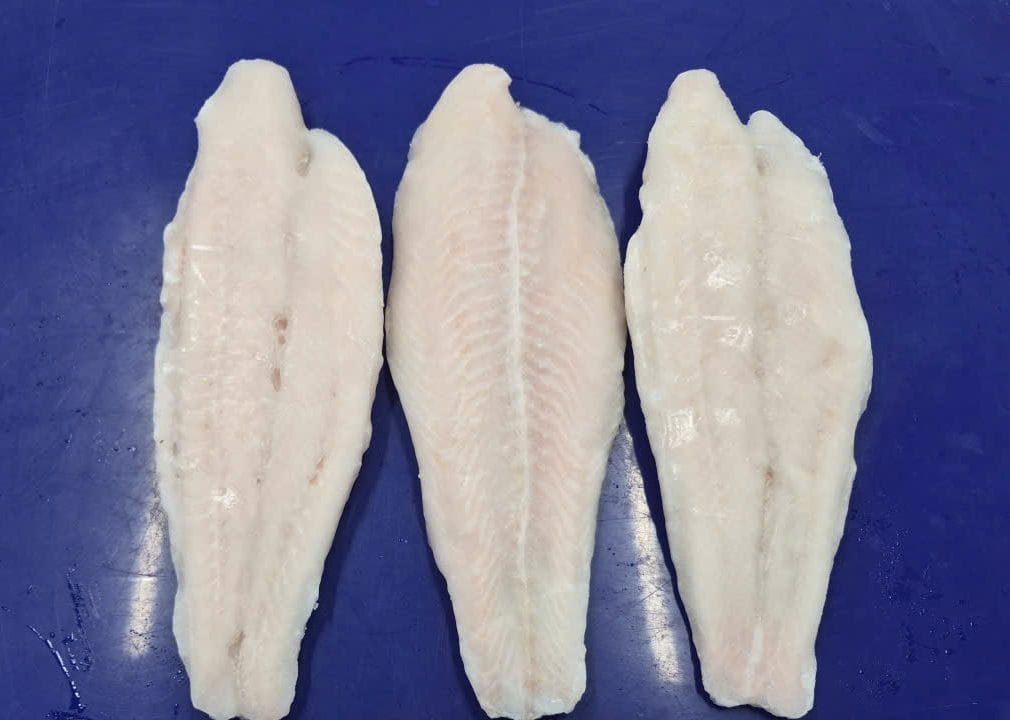
| Portion size | 100–200g/pc (precise) | 120/170g → 300g+ (range) |
| Moisture | 87% ±1% (strict) | 87–88% ±1% |
| Trim | Well Trimmed mandatory | WT for retail; Semi for wholesale |
| Fat appearance | Zero visible fat preferred | Low fat acceptable |
| Packaging | 9–10kg carton, PE bag | 10kg / 15lb / 30lb |
| Glazing | Minimal (0–5%) | Up to 20% acceptable |
| Labeling | Japanese labeling required at importer level | English sufficient |
Certifications Required for Japan
- HACCP: Mandatory. Japan’s Food Sanitation Law requires HACCP-based food safety management.
- ASC: Increasingly required for retail channels (AEON, Ito-Yokado, Sogo Shosha trading houses).
- ISO 22000: Preferred by larger Japanese importers and trading companies.
- Residue testing: Japan imposes strict MRL (Maximum Residue Limits) for antibiotics — especially malachite green, chloramphenicol, and nitrofurans. Request factory testing documentation before first shipment.
Japan Market Structure — Who Buys Pangasius
Japanese pangasius imports are handled primarily through:
- Sogo Shosha (general trading houses): Mitsubishi, Mitsui, Sumitomo Food — typically source large volumes for processing and foodservice chains.
- Specialty seafood importers: Smaller companies importing for izakaya chains, school meals, institutional catering. These buyers require frequent small shipments (1–2 containers/month).
- Food processors: Companies producing fish cutlets (furai), steamed products, and ready meals — they buy regularly and prioritize consistent spec over price.
Logistics: Vietnam to Japan
- Transit time: HCMC → Hakata/Fukuoka: approximately 7–10 days vessel transit
- Main ports: Hakata (Fukuoka), Tokyo, Osaka, Nagoya
- Container type: 40ft Reefer (-18°C) standard; some Japan buyers book LCL (less than container load) for small orders
- Customs clearance: Japan Customs requires advance filing — Japan’s AFF (Advance Filling system) submission minimum 24 hours before arrival
- Quarantine inspection: Japan’s Ministry of Health (MHLW) monitors Vietnamese seafood for residue violations — maintaining clean certificate history is critical
About the Author
I have managed verified pangasius export transactions to Japan, both to Fukuoka and Hakata ports — covering sample shipments and commercial container orders. The price data above comes from actual signed contracts, not estimates. I work as a disclosed buyer-side sourcing consultant, connecting Japanese importers and trading houses with verified Vietnamese processors
Enquiries: alan@viet.zone | LinkedIn: linkedin.com/in/vietpham8
Based on verified customs data (150+ shipments, 2024–2025), the average CIF Japan price for Vietnamese pangasius fillet is $2.72/kg. Verified commercial transactions in 2025–2026 show CIF Fukuoka/Hakata prices of $2.77–$2.90/kg, with the trend rising due to tighter specification requirements.
Japanese buyers typically require pangasius fillet in the 100–200g per piece range — more precise than EU or US markets. The standard packaging is 9–10kg carton with PE bag, IQF, 100% net weight. Glazing should be minimal (0–5%) as Japanese buyers are sensitive to excess water weight.
HACCP certification is mandatory under Japan’s Food Sanitation Law. ASC certification is increasingly required by Japanese retail chains and major trading houses. ISO 22000 is preferred by larger importers. Factories must also maintain clean antibiotic residue test records — Japan’s MRL enforcement for malachite green, chloramphenicol, and nitrofurans is strict.
Ocean freight from Ho Chi Minh City to Japanese ports (Hakata, Fukuoka, Osaka) takes approximately 7–10 days vessel transit. Total lead time from production to Japanese customs clearance is typically 30–45 days from purchase order — accounting for production, documentation, and transit.
Vietnam and Japan are both members of CPTPP (Comprehensive and Progressive Agreement for Trans-Pacific Partnership). Under CPTPP, Vietnamese pangasius benefits from preferential tariff rates in Japan. The standard MFN tariff for frozen fish fillets in Japan is 3.5% — CPTPP preferential rates are lower and in some cases zero. Confirm the applicable tariff rate with your Japanese customs broker.

Independent Seafood Sourcing Consultant based in Vietnam’s Mekong Delta. Former Operations Manager at Espersen Vietnam (Danish seafood group, 8+ years) and graduate of Nha Trang Fisheries University. I source specialty aquatic products for buyers in Japan, France, Hong Kong, China and Thailand — as a disclosed agent with full commission transparency.