Alan Pham | Vietnam Seafood Sourcing Insights A sourcing consultant's notes on Vietnam's seafood market
Sustainable seafood farming has become the cornerstone of Vietnam’s aquaculture industry, with the country producing over 8.2 million tons annually through environmentally responsible practices.
Vietnam’s Sustainable Aquaculture Leadership
Certification Standards
ASC (Aquaculture Stewardship Council) certification
BAP (Best Aquaculture Practices) standards
GlobalGAP compliance
EU organic certification
Environmental Benefits
Vietnamese sustainable farming reduces water usage by 30% and eliminates harmful chemicals, protecting the Mekong Delta ecosystem.
As global demand for seafood continues to rise, sustainability has become a critical factor in sourcing decisions. Buyers looking for reliable suppliers in Vietnam are increasingly prioritizing sustainable practices to ensure long-term business relationships and access to high-quality products.
Sustainable seafood farming refers to practices in aquaculture that minimize environmental impact while maintaining economic and social responsibility. It focuses on resource conservation, reducing waste, and improving water quality management. Certifications like the Aquaculture Stewardship Council (ASC) and Best Aquaculture Practices (BAP) help verify that seafood farms meet these high standards.
Why sustainability matters for buyers
1. Meeting market demand for responsible: Products consumers are increasingly concerned about the environmental impact of their food choices. Sourcing sustainable seafood from countries like Vietnam allows buyers to meet this demand while ensuring product quality. Certifications such as ASC and BAP are highly regarded and can enhance the appeal of products in international markets.
2. Reducing environmental impact: Sustainable seafood farming focuses on limiting damage to ecosystems, such as reducing water pollution and avoiding overfishing. By working with sustainable seafood suppliers in Vietnam, buyers can contribute to protecting marine environments and ensure long-term availability of seafood resources.
3. Complying with global standards: Many countries, especially in the EU and North America, require strict adherence to environmental and sustainability regulations. Suppliers in Vietnam are increasingly focused on meeting these standards, often backed by certifications such as Global GAP and ISO 22000, making it easier for buyers to access these regions.
4. Building trust and transparency: Buyers who source from sustainable seafood farms in Vietnam benefit from greater transparency in the supply chain. Sustainability certifications provide assurance to consumers that products are ethically sourced, which can be a significant advantage when selling to environmentally conscious markets.
Vietnam’s role in sustainable seafood production
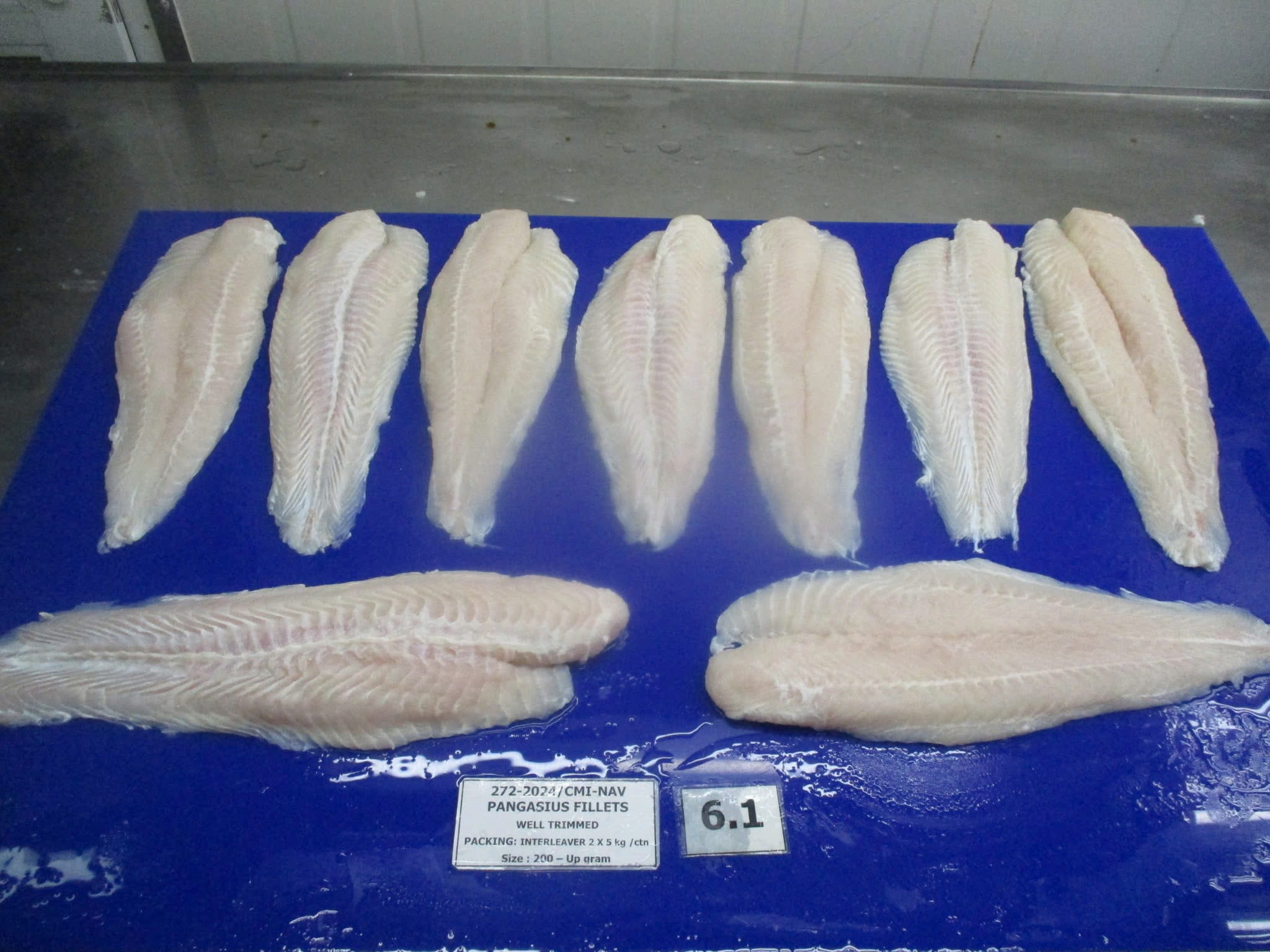
Vietnam has emerged as a leading exporter of seafood, thanks to its dedication to sustainable farming practices. The country’s aquaculture industry, particularly in the Mekong Delta, is known for producing high-quality products such as Pangasius and shrimp, both of which are popular in markets worldwide. These farms adhere to internationally recognized standards for sustainability, ensuring that buyers receive responsibly sourced seafood.
Key products from Vietnam’s sustainable aquaculture:
ASC certified Pangasius
BAP certified shrimp
ISO 22000 certified frozen seafood products
These products are in high demand across global markets, especially in the EU, US, and Japan, where consumers and businesses alike prioritize sustainability.
Sourcing sustainable seafood from Vietnam provides buyers with a reliable supply of premium products that meet both environmental and quality standards. Vietnamese suppliers are known for their ability to handle large-scale production while maintaining sustainability, making them ideal partners for international buyers.
Sustainable farming practices also lead to healthier fish and better product quality, which can reduce wastage during processing and transportation. This not only saves costs but also results in higher satisfaction for end consumers.
Sustainability is more than just a trend. It is an essential factor in the seafood industry’s future. By partnering with sustainable seafood suppliers in Vietnam, buyers can meet growing consumer demand for responsibly sourced products while complying with international standards. As the global market evolves, sustainable practices will continue to play a key role in shaping the success of seafood businesses

Independent Seafood Sourcing Consultant based in Vietnam’s Mekong Delta. Former Operations Manager at Espersen Vietnam (Danish seafood group, 8+ years) and graduate of Nha Trang Fisheries University. I source specialty aquatic products for buyers in Japan, France, Hong Kong, China and Thailand — as a disclosed agent with full commission transparency.